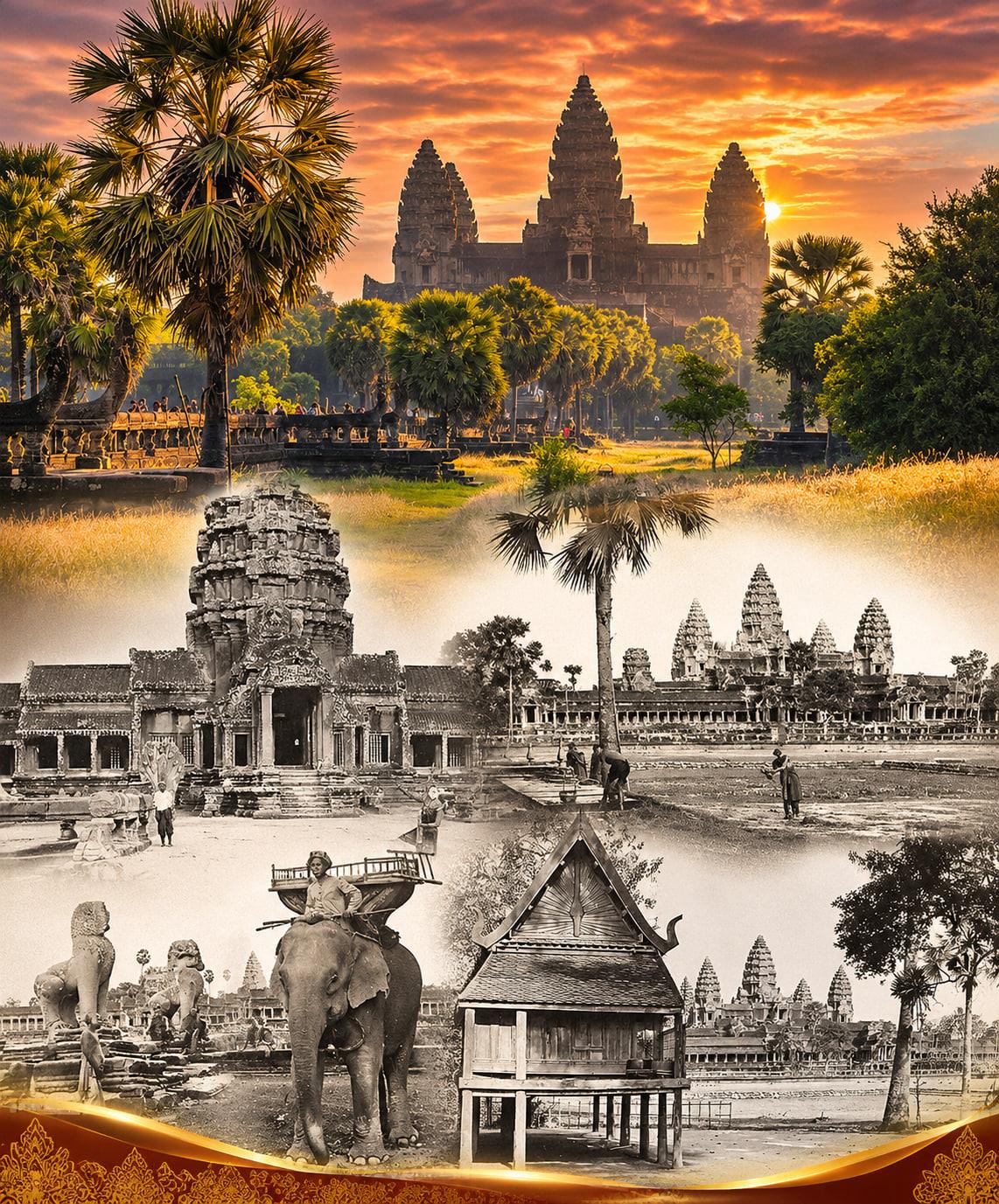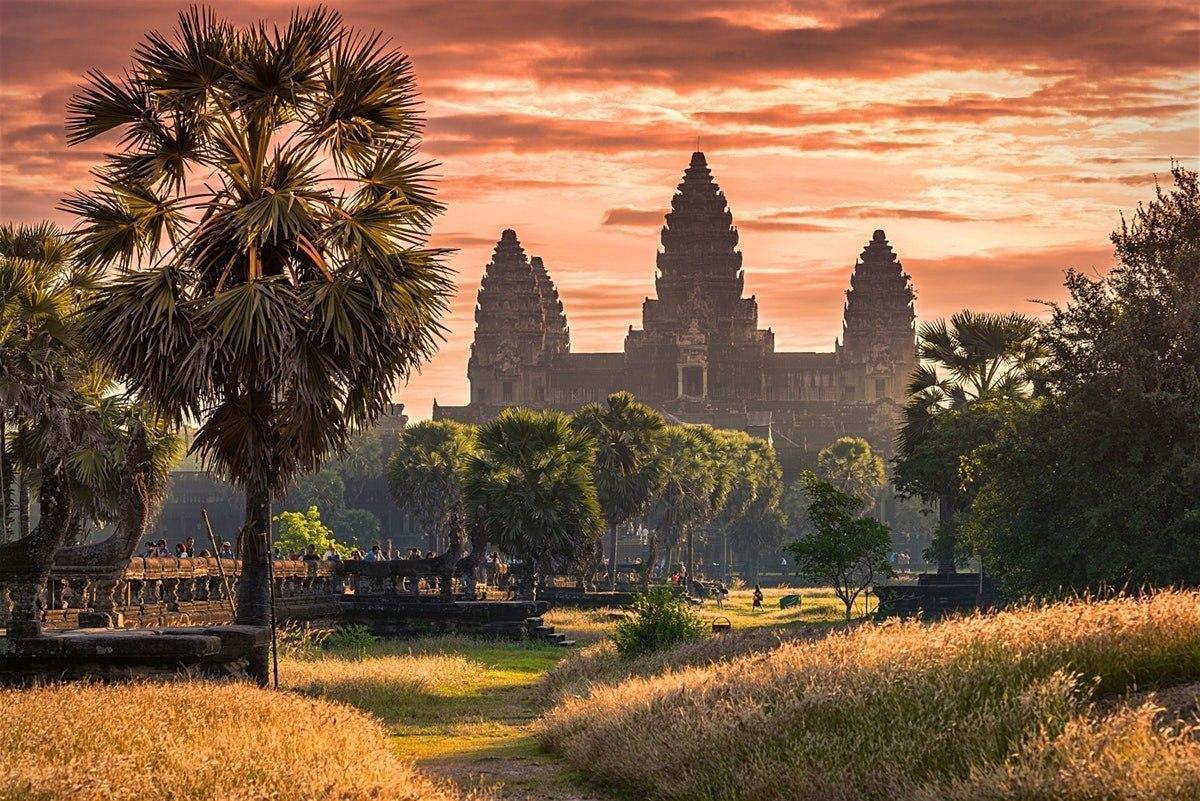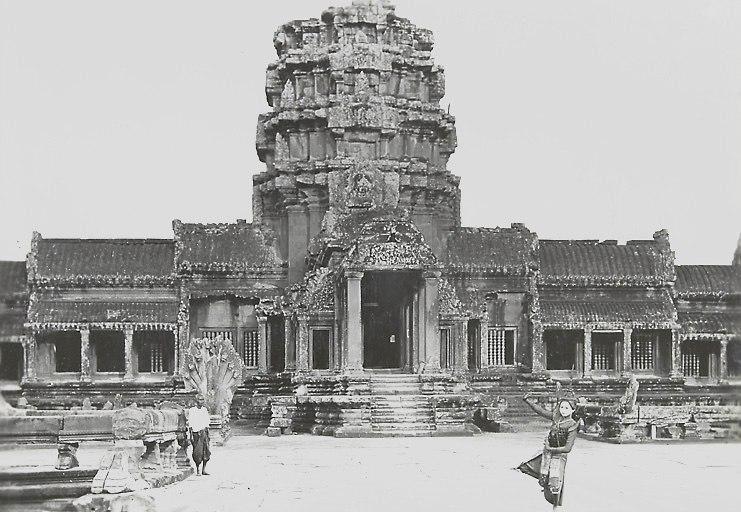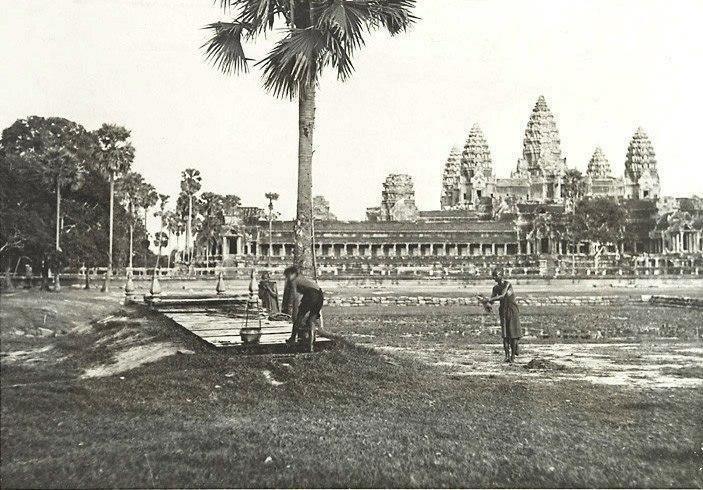


ចំណេះដឹងទូទៅ៖ នរណាជាអ្នកដែលទៅឃើញអង្គរមុនគេ?
07-11-2026 12:05
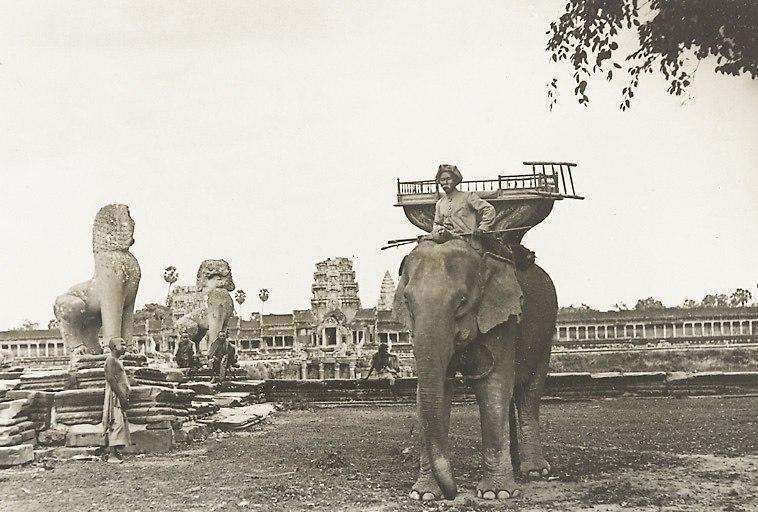
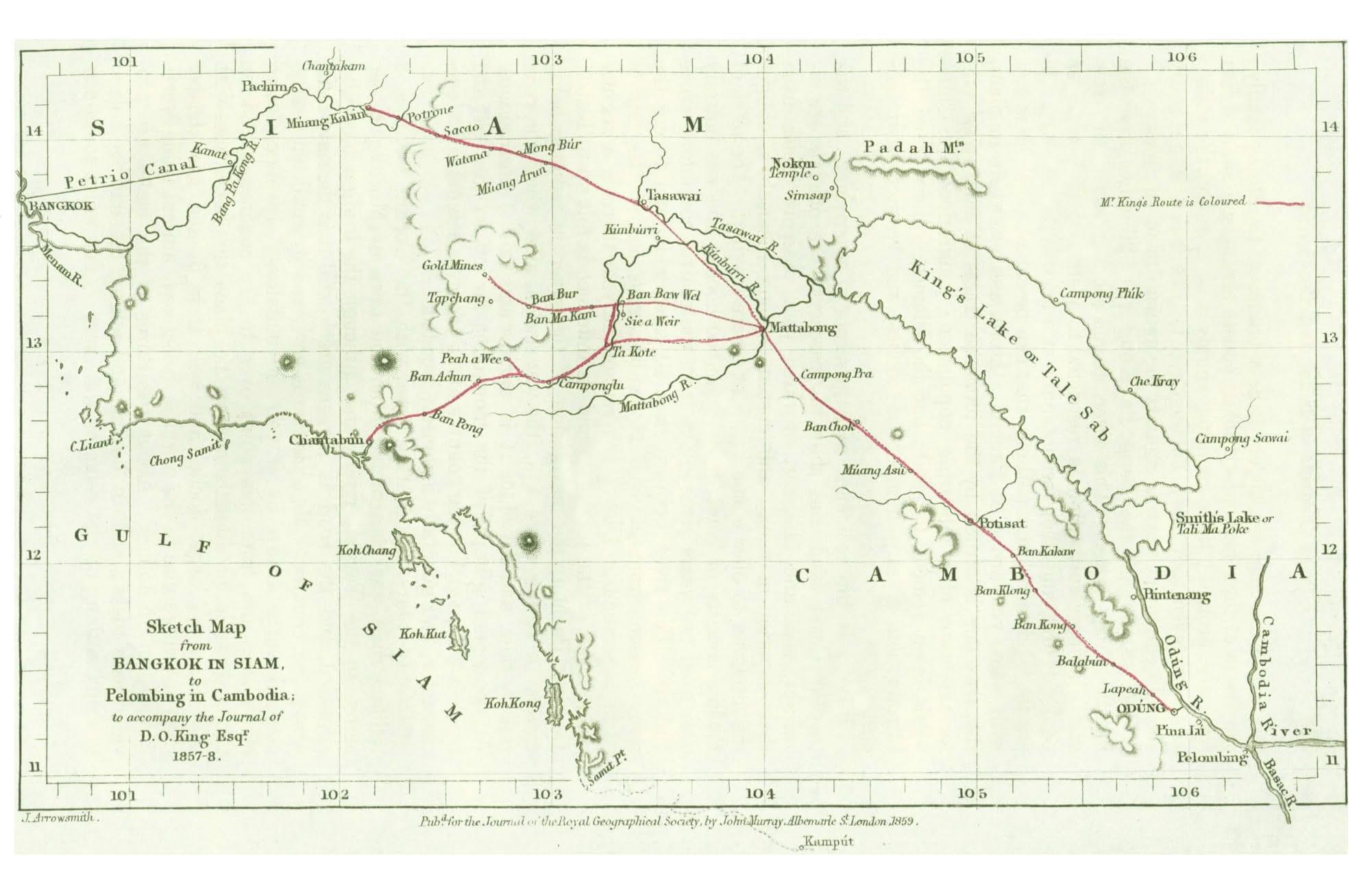
(ភ្នំពេញ)៖ មិនមែនបារាំង Henri Mouhot (ហិន្រី មូហោត៍) ទេ ដែលទៅឃើញអង្គរមុនគេ។ អ្នកដែលទៅដល់អង្គរមុន គឺជាតិអាមេរិកលោក David Olyphant King និងជាតិអង់គ្លេស Edward Forrest នៅខែមិនា ឆ្នាំ1858 លោកថែមទាំងបានគូរផែនទីរាយរាប់ដំណើរការណ៍ផងដែរ (ផែនទីខាងក្រោម)។

ពីរឆ្នាំក្រោយមកទើប Henri Mouhot ដល់អង្គរដើមឆ្នាំ១៨៦០។ នេះបើតាមឯកសារចែកចាយបន្តដោយបណ្ឌិត វង់ សុធារ៉ា។
ចេញពីអង្គរទៅ លោក David Olyphant King និង Edward Forrest បានចូលគាល់ព្រះបាទអង្គដួងនៅរាជធានីឧត្តុង្គ។ ទូលសួរនាំអំពីប្រវត្តិអង្គរវត្ត ព្រះបាទអង្គដួងប្រាប់ David Olyphant King និង Edward Forrest ថា អង្គរវត្តខ្មែរបានសង់ឡើងនាសតវត្សទី២ David Olyphant King។ ( តាមឯកសារ "Notes on Siam", Journal of American Geographical and Statistical Society, July 1859. David Olyphant King, "Travels in Siam and Cambodia", Proceedings of the Royal Geographical Society of London, Vol. 3, No. 6 (1858 - 1859)។
ជាតិអឺរ៉ុប ដែលទៅឃើញអង្គរប្រាំឆ្នាំមុន David Olyphant King និង Henri Mouhot ទៀតនោះគឺសង្ឃកាតូលិក នាម Charles Emile Bouillevaux ដែលបាននិមន្តដល់អង្គរឆ្នាំ១៨៥៥។ លោកបានសរសេរដំណើររឿងនេះក្នុងវស្សប្បវត្តិ «Voyages dans l'Indochine, 1848-1856 avec carte du cambodge» តែសំណេរនេះពុំសូវមានគេចាប់អារម្មណ៍ បែរជាចាប់អារម្មណ៍សំណេរ Henri Mouhot និងជឿងខុសថាគាត់ ជាអ្នករកឃើញអង្គរមុនគេ៕
It was an American, David Olyphant King (and a British consulate staffer Edward Forrest), who "discovered" Angkor in March 1858; the French man Henri Mouhot only reached Angkor in early 1860.
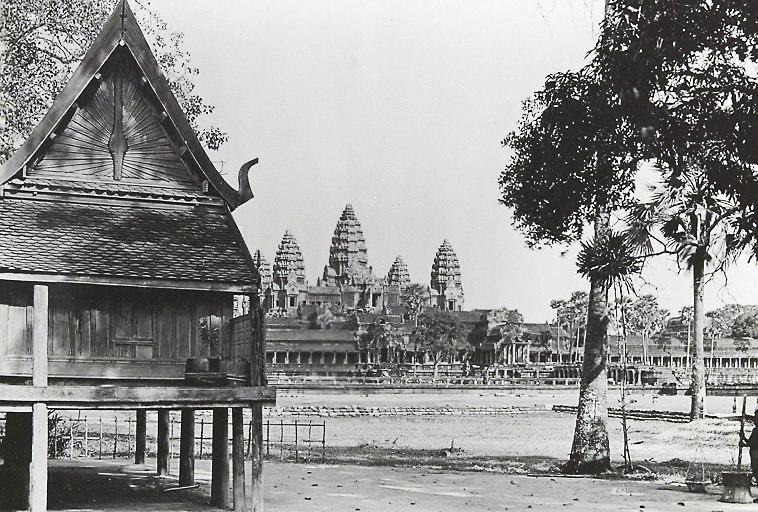
Of Angkor Vat, David King writes "The temple stands solitary and alone in the jungle, in too perfect order to be called a ruin, a relic of a race far ahead in all arts and sciences... A magnificent stone causeway, a third of a mile long, leads through an ornamental entrance up to the temple, composed of three quadrangles, one within, and raised above the other; the lower quadrangle is 200 yards square, a broad , verandah with a double row of square ornamented pillars running all round, with large and elaborately ornamented entrances at the corners and centres. It is built of a hard grey sandstone, without wood, cement, or iron in its composition, the blocks of stone fitting to each other with wonderful precision; and the whole temple, within and without, covered with carefully executed bas-reliefs of Buddhist idols "
While other accounts insist that Angkor was abandoned by the Khmers, David King notes that “a few priests reside outside its walls, and the place is visited as a shrine by the Cambodians.”
David King and Edward Forrest also met with His Majesty King Ang Duang at the Capital Udong where His Majesty told the duo that Angkor Vat was built in 2nd century. Of the Palace at Oudong, David King writes: “A wooden palisade, 20 feet high and 600 yards square, encloses a straggling collection of thatched houses, the residences of the nobles, in the centre of which a low brick-wall encloses the palace, mint, and arsenal. Everything bespeaks poverty and the recent ravages of war, but nothing could exceed the friendliness of the welcome extended to us by the King, and we were assured that foreign travellers would be granted every facility.”
That said, six years before David Olyphant King , Edward Forest and Henri Mouhot reached Angkor, Charles Emile Bouillevaux, a French missionary based in Battambang, with other Western explorers visited Angkor in 1855. Father Charles Emile Bouillevaux's account of his visit was published in "Voyages dans l'Indochine, 1848-1856 avec carte du cambodge" (1858) https://gallica.bnf.fr/ark:/12148/bpt6k6208271x/f1.planchecontact . But like David King's publication, his writing was not attracting public attention.
[Map courtesy - David Olyphant King, 'Travels in Siam and Cambodia', The Journal of the Royal Geographical Society of London, Vol. 30 (1859)] https://archive.org/details/in.ernet.dli.2015.70695/page/n385/mode/2up